DRDO Scientist Jobs 2026: Understanding RAC Shortlisting Can Boost Your Chances
Key insights on DRDO RAC 2026 recruitment process.
The Defence Research and Development Organisation (DRDO) is gearing up for its 2026 scientist recruitment through the Recruitment and Assessment Centre (RAC). This year, the focus is on the positions of Scientist C, D, and E within the Defence Research & Development Service (DRDS) cadre. Candidates eyeing these prestigious roles should be aware of the rigorous selection process.
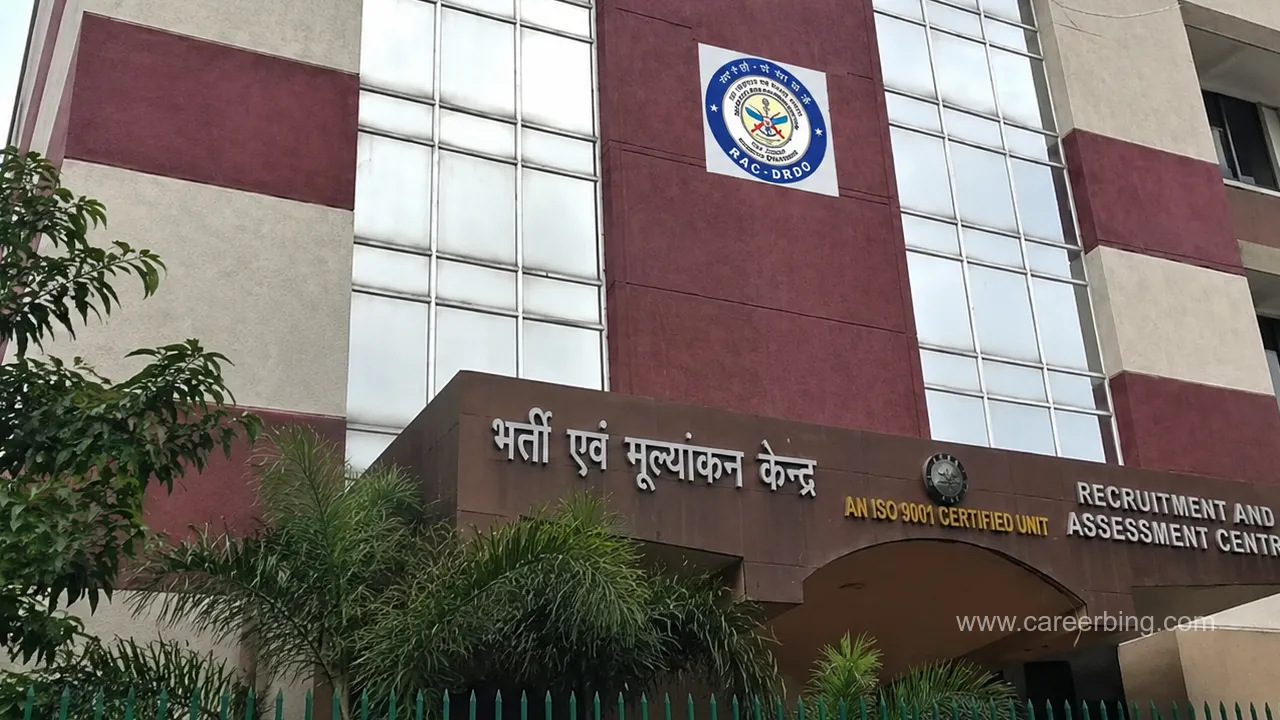
The selection for these roles is not straightforward. It involves several stages, each designed to assess the candidates’ suitability for high-stakes scientific work. Initially, all applications undergo an administrative screening where qualifications, experience, and other formalities are verified. Following this, a technical screening assesses candidates’ technical capabilities and relevance to the advertised positions.
Those who make it past the initial screenings may be called for an online preliminary interview or further technical evaluations. This step serves as a second filter to ensure only the most suitable candidates make it to the final round, which is the personal interview. Here, candidates’ knowledge, skills, and readiness for the role are thoroughly tested.
For those aiming to stand out, it’s important to not just meet the basic eligibility criteria but to excel in areas relevant to the role, such as specialized domain knowledge, research achievements, and relevant project experience. Gaining a deep understanding of DRDO’s current projects and technological needs can also provide an edge in the interviews.
As the application phase is over, candidates should now focus on preparing for the upcoming stages. Keeping track of updates via the RAC portal and reviewing potential interview topics are advisable steps. With careful preparation and a thorough understanding of the RAC’s rigorous process, candidates can enhance their chances of success in this competitive recruitment drive.